Published November 26, 2025

Essential tremor is a neurological condition that causes uncontrollable shaking. Often confused with Parkinson’s disease, it is actually a different condition, said Hae-Young Hawong, DO, PhD, a Yale New Haven Health neurologist who specializes in movement disorders, and assistant professor of Neurology at Yale School of Medicine.
Both conditions share similarities, but they differ in origin, symptoms, progression and treatment.
Essential tremor is approximately eight times more common than Parkinson’s disease, affecting an estimated seven to 10 million Americans. Both are movement disorders, but differences between the two include:
The exact cause of essential tremor is unclear, but about 50 percent of cases are hereditary. “Compared to Parkinson’s, essential tremor has a strong family history. However, we still don’t know the specific gene mutation,” Dr. Hawong said.
Current treatment options include a combination of medications, therapies and procedures. Physicians may also recommend lifestyle adjustments such as reducing caffeine, managing stress and occupational or physical therapy.
If medications don’t reduce tremors, other treatment options include deep brain stimulation (DBS) and high-intensity focused ultrasound (HIFU).
In DBS, the most common surgical treatment for essential tremor, electrodes are implanted into select areas of the brain. When stimulated by a battery-operated device, these electrodes influence the faulty communication between brain regions, helping relieve symptoms of essential tremor and other movement disorders. Several studies, including those conducted by Yale New Haven Health’s neurology team, indicate DBS can provide moderate or significant tremor reduction in up to 90 percent of patients and often improves daily function dramatically.
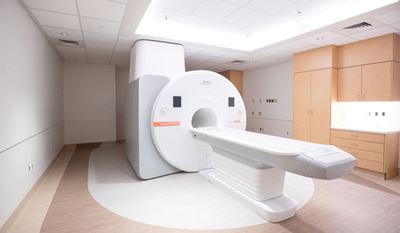
Yale New Haven Health also offers HIFU, which uses ultrasound waves guided by magnetic resonance imaging to treat a specific area in the brain that causes tremors.
“Focused ultrasound is minimally invasive, does not involve surgery and is completed as an outpatient procedure,” Dr. Hawong said. “Many patients experience immediate tremor reduction right after the procedure, and clinical studies report improvement in up to 75 percent of patients for as long as five years.”
Currently HIFU is performed only at Greenwich Hospital; the procedure will also be available at the Adams Neuroscience Center when it opens in 2027.
Dr. Hawong recommends talking with your primary care physician if you notice tremors are bothering you or impacting your activities.
“Many people worry when they notice tremors and assume the worst,” she said. “But not every tremor is related to a movement disorder like essential tremor or Parkinson’s.”
Dr. Hawong said it’s normal to experience physiologic tremors when drinking too much coffee or energy drinks or when we’re angry or anxious. Many medications also can cause tremors. Your doctor can evaluate you and eliminate other potential factors, and if needed provide a referral to a neurologist at Yale New Haven.
Learn more about Neurology at Yale New Haven Health Neurology & Neurosurgery - Yale New Haven Health. Learn more about Adams Neuroscience Center Adams Neurosciences Center.