Published September 18, 2025

Work at home, school at home, eat at home – the at-home lifestyle we’ve embraced in recent years has dramatically reduced our physical activity and increased our risk for weight-related health issues such as fatty liver diseases. Early detection is critical in diagnosing these conditions.
Fatty liver diseases occur when too much fat accumulates in the liver. This fat build-up causes stress within the liver, which often leads to additional health problems.
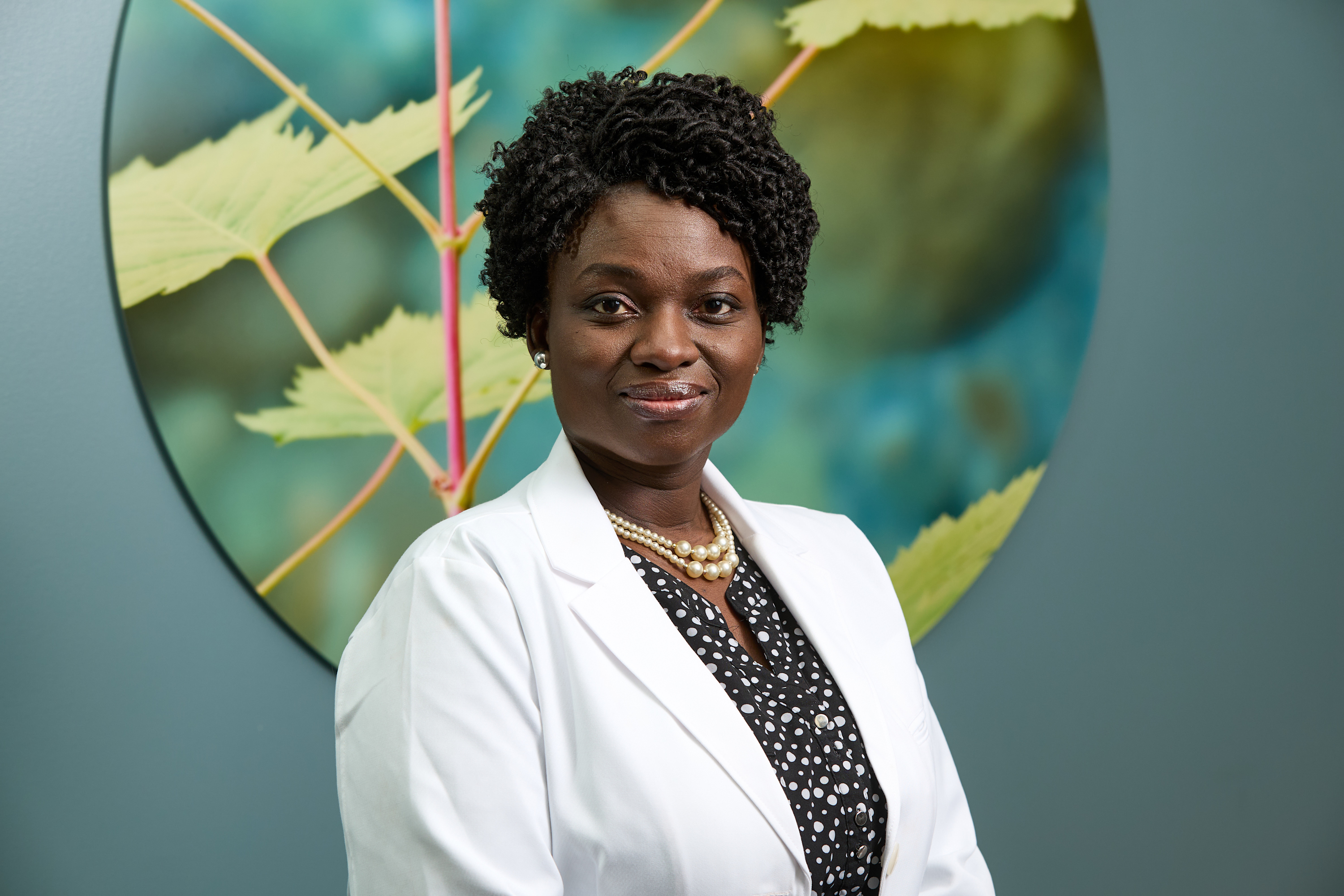
“Fatty liver diseases are by far the most common chronic liver diseases in the United States. Approximately 80-100 million adults have fatty liver disease—and many of them don’t know that they have it,” said Bubu Banini, MD, PhD, a gastroenterologist at Yale New Haven Health and assistant professor of medicine at Yale School of Medicine.
Metabolic dysfunction-associated steatotic liver disease (MASLD) is the most common type of fatty liver disease, affecting approximately 1 in 3 adults. Alcohol-related fatty liver disease (ALD) is often seen in those considered moderate to heavy alcohol drinkers.
The main complication of fatty liver disease is severe fibrosis (also known as cirrhosis), which is scarring of the liver. Cirrhosis keeps the liver from working normally and increases the risk of liver cancer and other health complications.
People who gain weight in the abdomen are at greater risk for MASLD than those who gain weight around their hips or shoulders. The most significant risk factors for this type of fatty liver disease are being overweight/obese or having type 2 diabetes, high cholesterol and high blood pressure. Age, family history, unhealthy lifestyle habits such as poor diet and low physical activity also play a role.
Anyone with moderate to heavy alcohol use can develop ALD over time. However, certain people are at higher risk. “Women are more sensitive to alcohol’s effects on the liver, and people who are overweight or have obesity, diabetes, or other liver problems are more vulnerable to ALD. Also, drinking heavily in short bursts (binge drinking) increases the risk of ALD. Although the general recommended limits are one drink a day for women and two drinks a day for men, regular consumption of this quantity amounts to moderate alcohol use. Thus, less alcohol or none is best,” Dr. Banini said.
Because fatty liver disease often has no symptoms, it’s considered a “silent disease” much like high blood pressure, diabetes or heart disease. People may start to notice symptoms in later states of the disease which include:
The good news is that fatty liver disease may be detected through blood and imaging tests. The liver also can repair itself if the disease is identified in time.
“The most important goal of early detection and care is to diagnosis and prevent the disease from progressing to cirrhosis,” Dr. Banini said. “A focus on preventing metabolic and cardiovascular diseases is also important because heart disease is the most common cause of death in patients with fatty liver disease.”
Weight loss is the primary recommendation for MASLD. Studies show that even a moderate weight loss of 5 - 10 percent of body weight can improve inflammation, reduce scarring and allow the liver to regenerate. Ninety percent of patients with fatty liver disease show improvement after bariatric surgery, which also may reduce the risk of liver cancer. Medications may be used in conjunction with weight loss for people who have developed moderate amount of liver scarring from MASLD.
For ALD, treatment means limiting or stopping alcohol use completely. “The most important step in treating alcohol-related liver disease is to stop drinking alcohol. With healthy nutrition, medical care and support, the liver has a chance to heal and future damage can be prevented,” Dr. Banini said.
YNHH’s Fatty Liver Disease Program offers evaluation and medical and surgical weight-loss treatments including liver testing, dietitian consultations, medications for weight loss and referrals for bariatric endoscopy and surgery. Patients can also take part in medical research, which not only helps advance new treatments but may also provide access to additional support and care. For more information about the Fatty Liver Disease Program, call 203-287-6210.
Learn more about Yale New Haven Health’s comprehensive Digestive Health services.