Published February 02, 2026

Exposure to cold weather can cause more than frostbite. It can negatively impact heart health.
“The body prioritizes warmth of the core organs. What ends up happening is the body clamps down on the blood vessels that lead into the skin and the result is this built-up resistance that the heart is pumping against. As you can imagine, that puts added stress on the heart,” said Yale Medicine cardiologist Rayhan Saiani, MD, FACC, assistant professor at Yale School of Medicine.
Those with an underlying heart condition and the elderly have increased risk of heart attack and stroke during the winter months. However, activities like shoveling can also put other adults at risk, especially if they don’t exercise regularly.
“It’s an isometric exercise, you’re clenching down, and that in itself creates an added stress,” said Dr. Saiani.
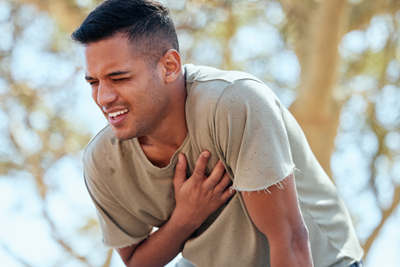
Studies show for every 10 degree drop in temperature, there is a 5-10% increase in risk of heart attacks. Dr. Saiani says any sudden onset of a concerning symptom after cold exposure should be a red flag. Warning signs that warrant emergency care include:
In women, this can sometimes present differently. Symptoms may include:
If you’ve ever heard the phrase ‘there’s no such thing as bad weather, only bad clothing,’ Dr. Saiani says there is some truth to that. Anyone spending time outside in the cold should protect themselves from the elements with significant layering, with an emphasis on covering the face and mouth as much as possible. On days with high winds or freezing warnings, limit time outdoors.
Of course, the best way to protect your heart is to address any and all underlying risk factors.
“Cardiovascular disease is highly treatable these days,” said Dr. Saiani. “Achieving an optimal cholesterol and blood pressure, maintaining a healthy weight, regular physical activity, a plant-forward and diverse diet are all more profound than cold protection itself to mitigate any risk of cardiovascular disease, particularly during these times of stress.”
While motivation for New Year’s resolutions start to wane, there’s no better time to take stock of your diet and exercise routine.
“There's no medication that comes close to the benefits of exercise and regular movement. So, if there's any resolution that pays the most dividends, whether it's preventing heart attacks, whether it's preventing dementia and other chronic disease, nothing really compares to exercise,” said Dr. Saiani.
It’s recommended that adults take part in aerobic training of moderate intensity of at least 150 minutes per week. Those who are not used to regular exercise should start slow, even if it’s just by walking. Then build up over time and add in resistance training, which is key for not just in preventing chronic disease but maintaining your functionality into your older age.