The Women’s Heart and Vascular Program at Yale New Haven Health provides specialized heart care for women at every stage of life. Because heart disease affects women differently—and is the leading cause of death among women—our program focuses on prevention, early detection and specialized care.
Patients benefit from coordinated care with leading experts in cardiovascular care, diabetes, emotional well-being, exercise physiology, menopause, nutrition, sleep health, and smoking cessation.
The program also focuses on clinical research in collaboration with Yale’s Women’s Health Research Center to advance the care of women with heart disease.
New patients will complete a questionnaire at their first appointment to identify individual risk factors and symptoms for heart disease. This questionnaire will become the basis of the initial evaluation by the cardiologist, who will review risk factors, discuss symptoms, and determine abnormalities on physical exam and electrocardiogram.
Then, an individualized care plan will be made and may include:
During menopause, estrogen levels naturally decline. Estrogen helps protect the heart; as levels decrease, a woman’s risk for heart disease can increase. Heart disease risk factors include:
These changes can lead to weight gain, especially around the waist. This type of weight gain—called visceral fat—can increase the risk for metabolic syndrome and heart disease.
Menopause symptoms like stress, hot flashes, and sleep problems can also play a role in overall cardiovascular health.
At Yale New Haven Hospital, we care for heart conditions that can develop during pregnancy and after delivery. Some women may experience new or worsening heart issues, such as high blood pressure, pre-eclampsia, or weakened heart muscle. We provide coordinated care by working closely with your Ob/Gyn to monitor your heart health and treat problems early.
Learn more about maternal cardiac care offered at Yale New Haven Hospital
Heart failure affects women differently. Heart failure is a serious and growing health issue for women. While women and men have a similar lifetime risk—about one in four adults will develop heart failure—women often experience it in unique ways. These differences are influenced by changes in a woman’s body over time, including hormonal shifts and differences in heart structure and metabolism.
For example, women vs. men are more likely to develop heart failure with preserved ejection fraction (HFpEF), a type of heart failure where the heart pumps normally but doesn’t relax and fill as well.
What can women do to prevent heart failure?
Recognize symptoms and seek care promptly for early diagnosis to improve your quality of life.
Dysautonomia is a dysfunction of the autonomic nervous system which controls functions like heart rate, blood pressure, body temperature, digestion, and breathing. Postural Orthostatic Tachycardia Syndrome (POTS) is a type of dysautonomia that commonly affects women and is includes symptoms such as dizziness, rapid heart rate, fatigue, and gastrointestinal issues. Hormonal changes—during the menstrual cycle and menopause—can affect these symptoms and cause them to come and go.
Heart rhythm disorders, known as arrhythmias, can have varied causes. Hormones can also affect the heart’s electrical system and how it beats. For example, younger women may notice more heart palpitations around their menstrual cycle. As women approach menopause, estrogen and progesterone levels naturally decrease. The decrease in hormone levels can increase the likelihood of palpitations and irregular heart rhythms (arrhythmias).
Learn key heart health tips for women from Francine LoRusso, vice president and executive director, Heart and Vascular Center, Yale New Haven Health.

Every patient goes through changes throughout their life that may impact their health. We can be proactive about these changes by staying up to date with important appointments and screenings.
Read More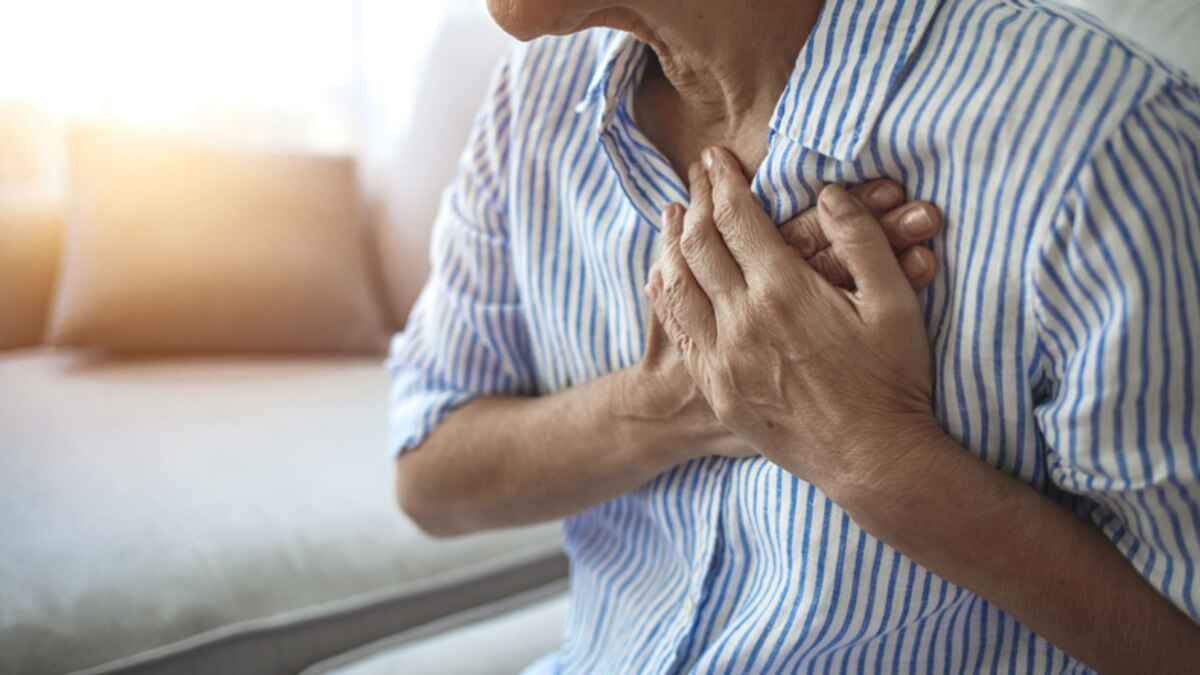
Signs of heart attack include the most common symptoms, such as chest pain or pain radiating down an arm, often the left arm. However, heart attack symptoms can also feel like gas or heartburn. Symptoms in women are often even more vague.
Read More
Yale New Haven Health is proud to be affiliated with the prestigious Yale University and its highly ranked Yale School of Medicine.