Published October 22, 2026

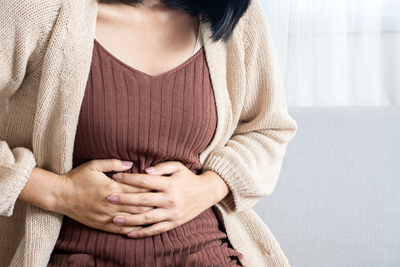
A stomach bug or food poisoning usually clears up within days. But for some people, digestive symptoms such as abdominal pain, bloating, and changes in bowel habits may linger for weeks, months or even years. This condition is known as post-infection irritable bowel syndrome (PI-IBS).
Each year, an estimated 48 million people in the U.S. suffer from foodborne illnesses, according to the Centers for Disease Control and Prevention (CDC). Research suggests that roughly 10 percent of those who experience a gastrointestinal infection may later develop persistent IBS symptoms. With the rise in food recalls and foodborne illness outbreaks linked to cyclospora, salmonella, listeria, E. coli and other pathogens in recent months, healthcare providers are paying close attention to PI-IBS.
Sowmya Sharma, MD, a gastroenterologist with Yale New Haven Health and assistant professor of Digestive Diseases at Yale School of Medicine, addresses common questions about post-infection IBS.
Post-infection IBS is a type of irritable bowel syndrome that develops after a gastrointestinal infection, such as food poisoning, viral gastroenteritis or a bacterial intestinal infection. It’s a change in your normal bowel habits.
PI-IBS causes many of the same symptoms as other forms of IBS. Common symptoms can include:
Not everyone who gets a stomach infection develops PI-IBS. Factors that can increase your risk include:
A diagnosis of post-infection IBS is based on your symptoms, when they began, and your overall medical history. If your symptoms started after you’ve had a gastrointestinal infection, it’s likely PI-IBS. It could be within days, weeks or even months after the infection. If you still have digestive symptoms several weeks after a stomach infection or if they interfere with your daily life, see your healthcare provider.
It’s important to rule out a more serious condition, so a colonoscopy or additional tests may be recommended if there are any warning signs. Tell your doctor if you have:
No specific therapies exist for post-infection IBS. Managing post-infection IBS focuses on controlling the symptoms. Treatment is individualized because symptoms and triggers vary from person to person. Changes to diet and activity may help. Depending on your specific symptoms, you may benefit from:
PI-IBS can be long-lasting, but it does not affect everyone the same way. Most people improve over time, but the improvement can be very gradual and may require ongoing management to keep symptoms under control.
PI-IBS is a common complication of gastrointestinal infections that can cause ongoing abdominal pain, bloating and changes in bowel habits. Although symptoms may persist, a healthcare provider can help rule out other conditions and develop a treatment plan to help you manage symptoms and improve your quality of life.
Practicing safe food handling, being mindful of any current food recalls, cooking foods thoroughly and maintaining good hand hygiene can help reduce the risk of foodborne illness and potentially lower the risk of developing post-infection IBS.
Learn more about how we treat functional gastrointestinal disorders at Yale New Haven Health.