Published November 11, 2024

There are heightened concerns about food safety after a parasite caused several gastrointestinal illnesses across the country. Cyclospora has been linked to contaminated lettuce that can cause symptoms such as diarrhea, cramps, bloating and fatigue.
This isn’t the first time contamination has put people at risk. Other outbreaks linked to bacteria such as E. coli and listeria can be serious, especially in vulnerable populations.
Yale New Haven Hospital Infectious Disease specialist Scott Roberts, MD, assistant professor in infectious diseases at Yale School of Medicine says people could get infected with Cyclospora if they ingest contaminated food, often fruits or vegetables. It’s believed the current outbreak is linked to a large lettuce supplier, which is why cases have been identified in several states.
“Food travels through many places before it reaches us, so there are many opportunities for contamination,” said Dr. Roberts. “The best way to stay safe from Cyclospora is heating up food to at least 158 degrees Fahrenheit , which is one of the only proven methods to kill the parasite.”
Other ways to stay safe from Cyclospora include:
Other past recalls and outbreaks of foodborne illnesses have been linked to E. coli (Escherichia coli) and Listeria (Listeria monocytogenes). They are usually spread through contaminated foods but can also be spread through unpasteurized beverages, fecal matter and touching contaminated surfaces.
Salmonella can also be spread by touching pets and other animals, even if they appear healthy. For example, recent Salmonella outbreaks have been linked to backyard poultry and eggs.
Listeria is an especially resilient bacteria that can survive in cold temperatures, even found in air conditioning units. Listeria recalls have been announced for foods that include frozen waffles, food kits with chicken, soft ripened cheeses and deli meats. Contaminated onions were recently linked to an E. coli outbreak in fast-food burgers.
Common listeria and E. coli symptoms include:
For most people, symptoms should be resolved within a few days. Supportive therapy, which would include plenty of hydrating fluids and a bland diet can help. However, elderly patients, those with underlying health conditions, young children and pregnant people are at risk of more severe illness.
Bloody diarrhea, dehydration and change in mental status are warning signs that would warrant emergency care.
“With respect to listeria, it’s the neurological symptoms that become concerning. That would include headaches, confusion, worst case scenario meningitis or encephalitis,” said Northeast Medical Group primary care doctor Piyal Alam, DO.
In certain cases, patients sick with E. coli can develop sepsis, a condition when bacteria spreads from the initial source into the bloodstream.
“Once it’s in the bloodstream it becomes systemic and then it could start affecting multiple organs causing organ failure. We don’t want toxins to go into our bloodstream, so catching it early is very important,” said Dr. Alam.
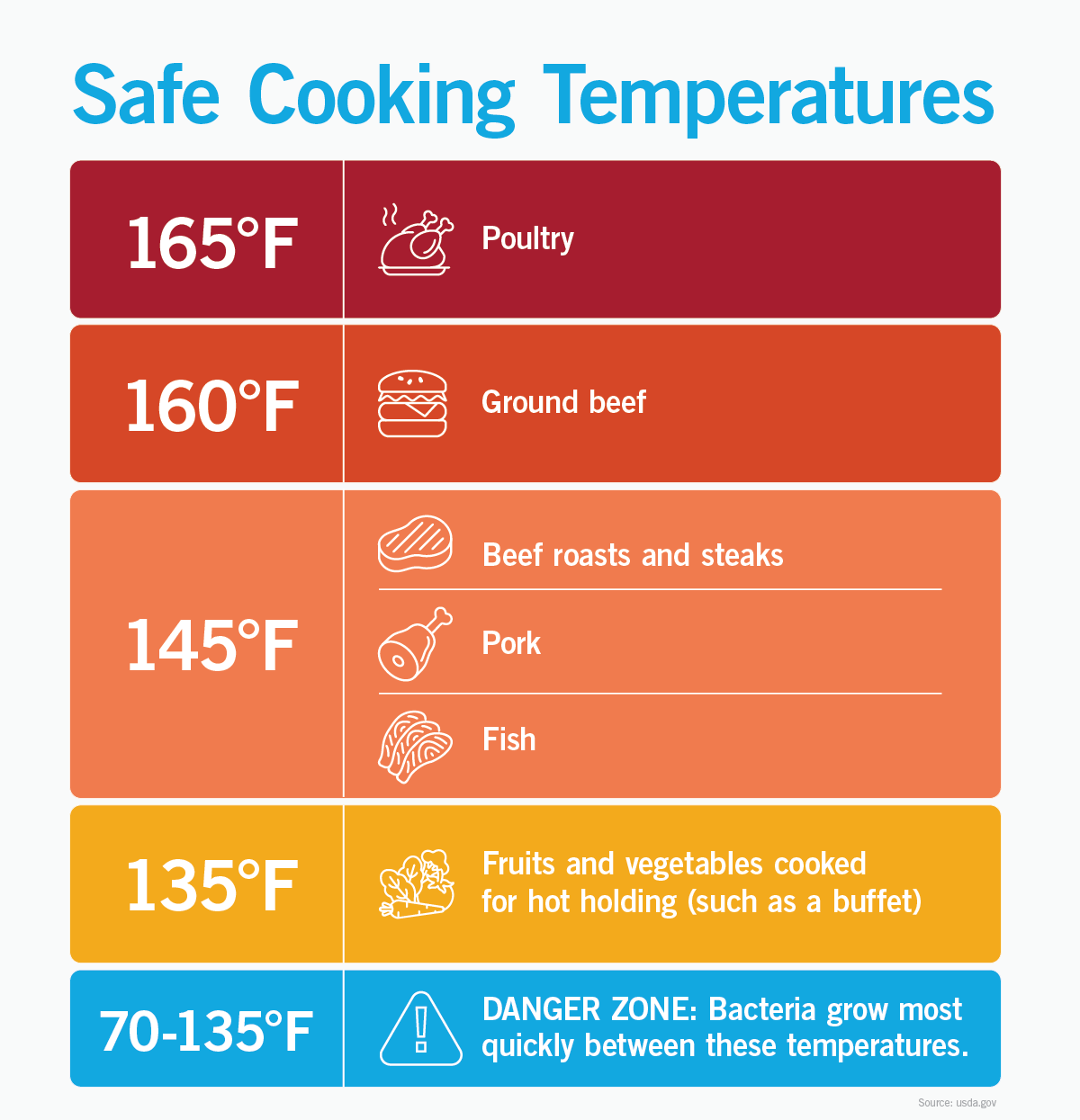
Proper food preparation at home can help prevent the spread of bacteria. This includes:
Unfortunately, some recalls have been linked to food that is already cooked or prepared. That’s why it’s important to stay on top of food recalls from trusted sources like the CDC, USDA and FDA.
“One of the biggest misconceptions is that symptoms will happen right away,” said Dr. Alam. “Sometimes symptoms could show up days if not weeks to months later. If there was an outbreak, be mindful and think about whether you were exposed at any point. If you develop symptoms that could be linked to an outbreak, stay well hydrated and then following up with a healthcare professional is very important.”