Published November 16, 2026

Getting early treatment for multiple sclerosis (MS) can greatly improve outcomes for patients living with the disease. However, MS can be complicated to diagnose and that can sometimes result in patients getting misdiagnosed.
Recently actress and MS advocate Christina Applegate made headlines when she revealed she was misdiagnosed with MS, despite having lived with troubling symptoms for years.
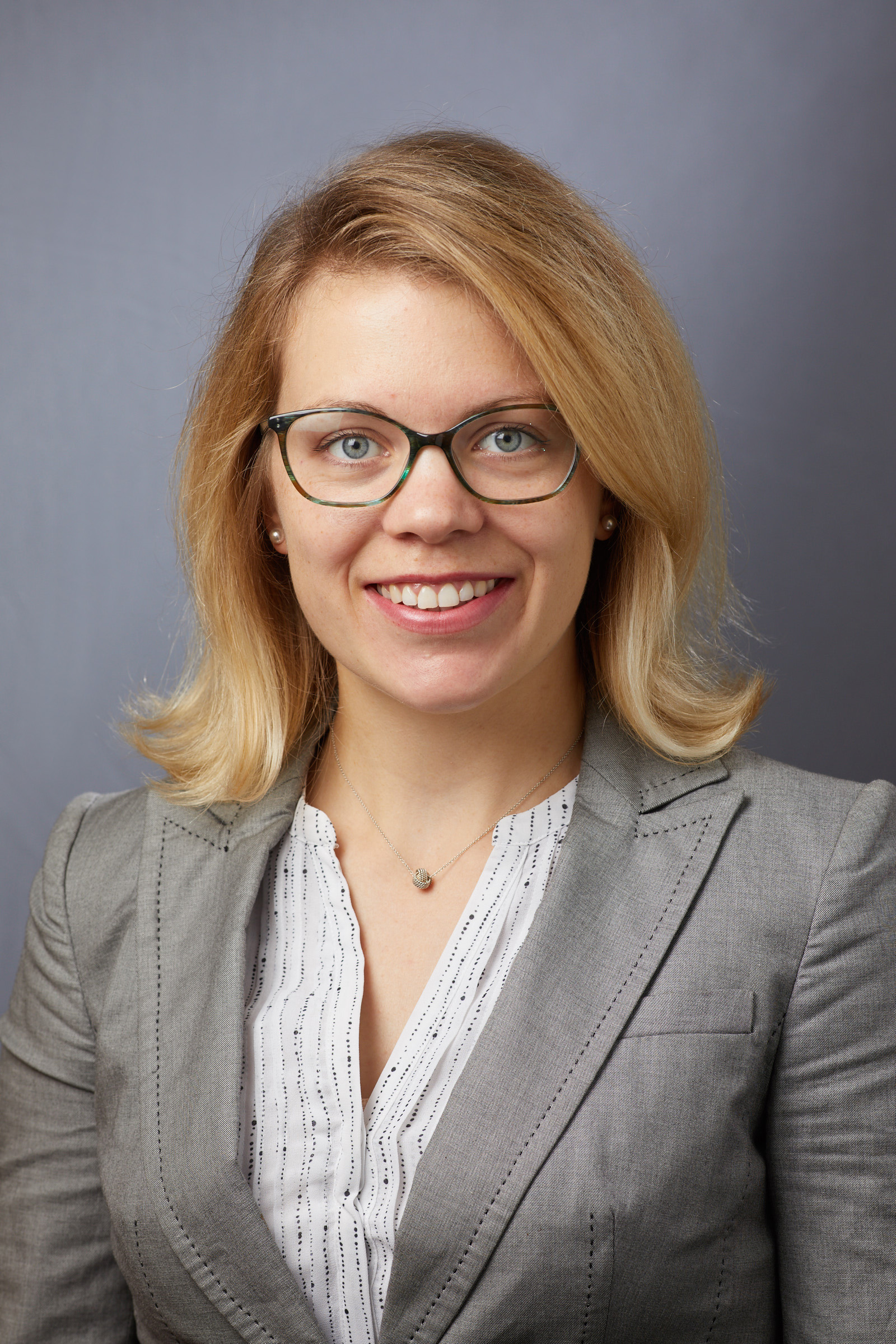
“Many neurologic diseases take time to diagnose,” said Yale New Haven Health neuroimmunologist Lindsay McAlpine, MD, BSc, assistant professor of Neurology at Yale School of Medicine. “So early on, it can be a very small symptom and sometimes the disease has to present itself and emerge.”
MS is an autoimmune disease of the central nervous system. It causes the immune system to attack myelin, which is the coating of our nerves. That creates lesions across the central nervous system, which can include the brain, optic nerves and spinal cord.
As a result, symptoms may include vocal or neurologic deficits, which can be linked back to a lesion. Symptoms may include:
It’s unknown what causes MS, but experts believe it’s due to a combination of genetics and environmental factors. Women are about two to three times more likely to develop MS compared to men, which is similar compared to other autoimmune diseases. Other risk factors can include smoking and obesity.
Diagnosing MS has evolved over the years. The current standard is based off the 2024 McDonald MS Diagnostic Criteria.
Patients must first meet with a neurologist, who will get a thorough medical history and look for evidence of MS flares or symptoms that come and go. A detailed neurologic exam can look for things such as reduced sensation or weakness on one side, increased reflexes or optic nerve damage.
An MRI with contrast can look for signs of lesions in specific regions of the brain. A lumbar puncture will also look for signs of inflammation in the spinal fluid.
Despite all of that, around 15% of patients get misdiagnosed. That’s because there are other autoimmune diseases that can be mistaken for MS such as neuromyelitis optica and Myelin oligodendrocyte glycoprotein (MOG) antibody associated disorders (MOGAD).
“Your chances of misdiagnosis are much lower if you're seeing a trained neuroimmunologist MS specialist and if you're in an academic center, and/or Center for Comprehensive MS Care identified by the National MS Society,” said Dr. McAlpine. “MS has become a very specialized field, so not every neurologist or general neurologist is going to be familiar with diagnosing MS.”
There is no cure for MS, but there are disease modifying therapies that can help treat the condition and prevent the progression of disease. Because MS is a disease of an overactive immune system, all treatments involve turning down and suppressing the immune system. That may include an infusion or monthly injection.
Dr. McAlpine says patients also benefit greatly from receiving care at an academic medical center, where they have access to additional resources and clinical trials.
“We see patients all over the state and we have some of the best MS research in the country,” said Dr. McAlpine. “We have a great model of the care that integrates clinical care, pharmacy infusion care, advanced neuroimaging, and wonderful physical therapy and rehab specialists. We're taking care of the whole patient.”
If someone suspects they have the wrong diagnosis, Dr. McAlpine encourages them to get a second opinion from an MS specialist.
“The treatments we have are very good and we have many different drugs in the pipeline,” she said. “Our goal is for patients to live the life that they want to live, to do the activities, have the career and family life that they want.”
Learn more about MS research opportunities at Yale School of Medicine.