Published December 03, 2025

If you or a loved one is nearing the end of life or facing a serious illness with a difficult prognosis, then it’s important to know that palliative care experts with Yale New Haven Health are always ready to help.
Because Palliative Care is not necessarily what you think.
It’s not, for example, hospice care, which is primarily about comfort – and comfort measures only – near the very end of life. Rather, palliative care focuses on maximizing quality of life while living with a life-threatening illness. It’s about working with medical professionals to think through what’s best for each individual and their family.
Palliative care is an extra level of care that focuses on pain and symptom relief, guidance with difficult medical decision-making (including what life-saving measures may or may not be desired in the future) and coordinating all aspects of care to reduce worry and stress.
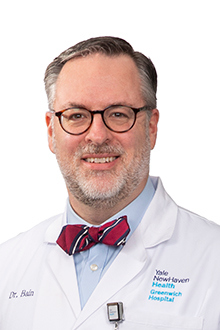
"Palliative care offers a holistic embrace for both patients and families, ensuring that every individual retains their dignity and comfort while navigating the journey of a serious illness,” said Morgan Bain, MD, program director of Palliative Care at Greenwich Hospital. “It's about focusing on quality of life and empowering patients to live fully, supported by their loved ones and their care team, no matter the diagnosis."
At times, palliative care also creates a bridge beyond clinical care that helps families address spiritual and emotional needs. “A lot of our conversations flow in ways that help families create meaning, which can sometimes ease anxiety, sadness and grief,” said Leslea Knisel, RN, who manages palliative at L+M and Westerly hospitals.
One system program that helps identify patients who may need palliative care is called RELAY (Readmission for End of Life Action at YNHHS). RELAY triggers automatic reviews of any patient who is 80 or older with four or more hospital admissions within the year.
“Through the RELAY initiative, we help families cope with the difficult reality that a loved one is moving into the last phase of life, and we’re helping our hospitals in management of readmissions,” said Nancy Kim, MD, PhD., senior medical director, Care Signature, YNHHS; associate clinical professor, Yale School of Medicine, who leads a number of strategic clinical initiatives for end-of-life care across the health system.
In some cases, for example, it may become clear that home care and symptom management is a far better approach than continued intensive clinical interventions in a hospital or emergency setting. “By having these conversations with families, palliative care offers guidance and planning on all options, which has the potential to greatly impact the quality of life for the patient and the family,” said Denise Mohess, chief of Geriatrics & Palliative Care at Bridgeport Hospital.
The ability to enhance a patient’s final journey is what gives meaning to the challenging job of palliative care. “When you know that your presence, your expertise and your guidance helps a family cope, and helps a family make a difficult decision, and helps a patient so they die comfortably and with dignity, then we can walk out of the hospital feeling like a job well done,” Knisel said. “It’s a privilege to do what we do.”