Published August 07, 2025

The HIV/AIDS epidemic was at its height in the early 1990s, when fear was high and treatment options were scarce. A woman named June Holmes established the Yale New Haven Hospital AIDS Program in 1988 which became a lifeline for countless patients. For several years, June served as chairperson of the New Haven Mayor’s Task Force on AIDS.
At that time, doctors were able to diagnose HIV but had little to offer in the way of medical treatment. What they did have though, was a deep sense of purpose – and a commitment to meeting the urgent needs of a vulnerable, often stigmatized population.
What began as a grassroots effort grounded in social work, community outreach, and compassionate care has since evolved into a nationally recognized program delivering comprehensive, evidence-based HIV/AIDS treatment and support.
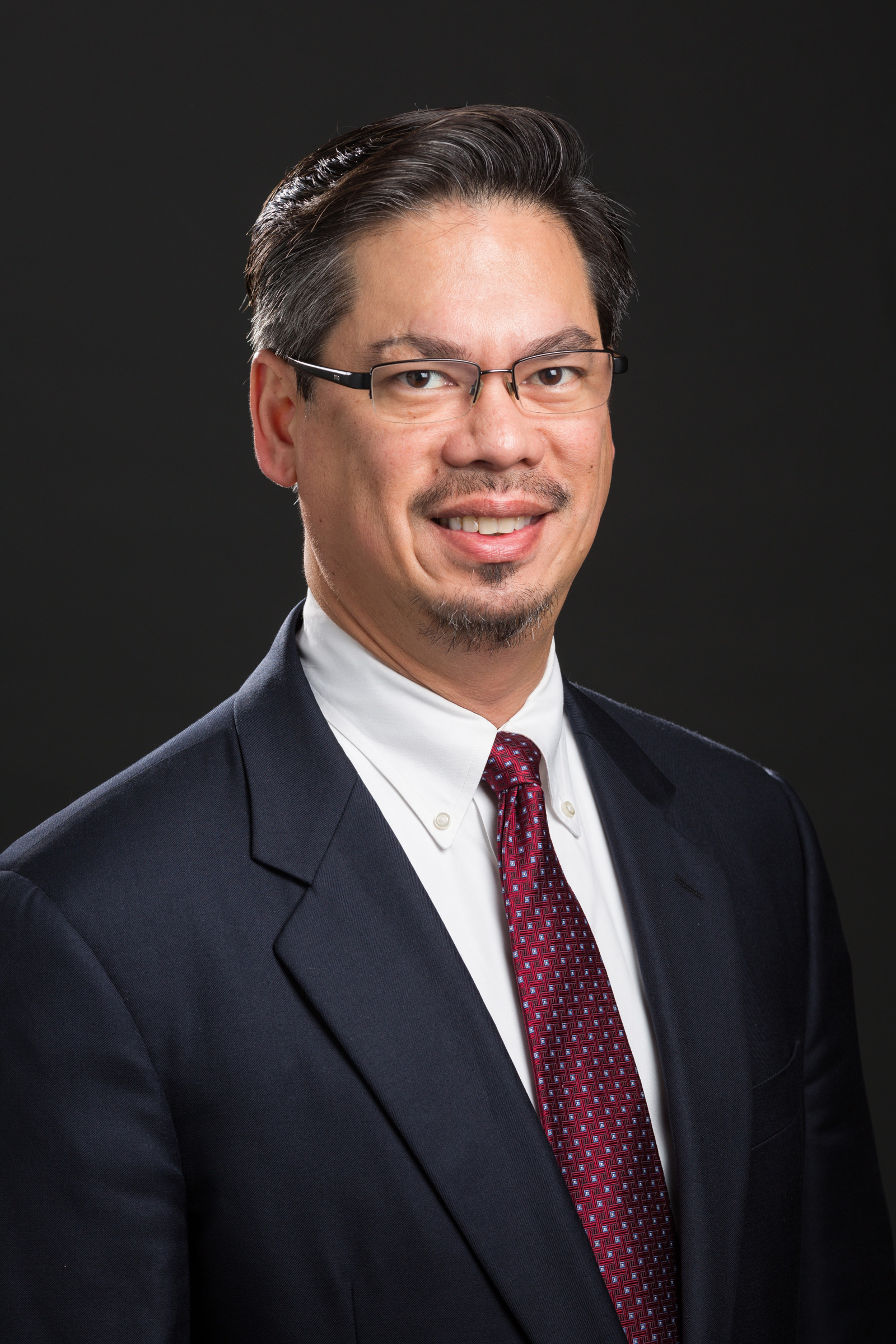
“People with HIV can live almost as long as someone who does not have HIV,” said Michael Virata, MD, program director of HIV Care and Prevention with YNHH and associate professor of Clinical Internal Medicine at Yale School of Medicine. “Right now, there are approximately 1.1 million people in the United States living with HIV. In Connecticut, we have roughly more than 10,000. Many of them have the disease under control and live well into their 80s.”
Dr. Virata stated the goal is to decrease the number of infections by offering more testing, rapid access to care, and keeping people engaged. The test is free, confidential and can provide results in under 30 minutes by detective HIV antibodies in blood or oral fluid. As of January 2023, doctors offer all patients aged 13 and older an HIV test at least once as a part of primary care. As of January 2024, the law extends to all patients aged 13 and older in emergency departments. Patients, however, may opt out of testing.
It is imperative for patients to receive care for their diagnosis within 48 hours. Doctors will prescribe medicine for the patients to start immediately, or they may pick it up at their pharmacy the same day.
Understanding how HIV is transmitted has been critical to shaping prevention and care efforts. The virus spreads through specific high-risk behaviors, mostly through unprotected sex with someone who is infected. According to Dr. Virata, the largest group affected continues to be men who have sex with men. For women, heterosexual contact – particularly with male partners who are infected – is the most common route of exposure.
“In the early part of the epidemic, a significant portion of people were exposed to the virus through the use of contaminated paraphernalia used to inject drugs into their bodies,” added Dr. Virata. “In the past, products used for blood disorders like hemophilia were contaminated with HIV and so that was another way adults and children were getting infected.” Dramatic improvements in blood screening, donor testing, and product safety protocols have greatly reduced the risks of children and adults infected through products. However, pregnant women who are infected can pass the virus to their infants.
Caring for individuals with HIV extends beyond medical treatment – it involves supporting the whole person. Community outreach has long been a foundational element of the HIV/AIDS Program, ensuring patients receive the resources they need to stay engaged in care. With funding from the City of New Haven, the State of Connecticut, and the federal Ryan White HIV/AIDS Program (RWHAP) through Health Resources and Services Administration (HRSA), the program provides essential services such as prescription medication coverage through an AIDS Drug Assistance Program (ADAP), transportation to appointments, housing assistance, food bank vouchers, and help with utility bills.
“Healthcare is not always the top priority for some patients, but if we support them in other ways that can provide stability in their lives, they are more likely to go to their appointments,” explained Dr. Virata.
YNHH’s HIV/AIDS Program is also committed to prevention. One of its most impactful initiatives is the Pre-exposure Prophylaxis (PrEP) Program at the Yale Center for Infectious Diseases – a preventative approach for individuals at high risk of contracting HIV. By taking a once-daily medication or getting an injection every two months, patients can significantly reduce their chances of becoming infected. The medication works by stopping the virus from taking hold and spreading in the body. Established in 2014, this was the first PrEP Program in Connecticut, marking a major step forward in the state’s fight against HIV.
Dr. Virata added, “Two ways to prevent another HIV epidemic are treatment and prevention.” Both of those began at YNHH.
To schedule an appointment for a free 20-minute HIV test or more information on YNHH’s HIV Care and Prevention Programs, please call 203-688-4120.