Head and neck cancers are not always top of mind for many people. But these cancers affect parts of the body we use every day to speak, swallow, breathe and connect with others. During Head and Neck Cancer Awareness Month, experts encourage people to learn the warning signs, understand risk factors, and know when to seek care.
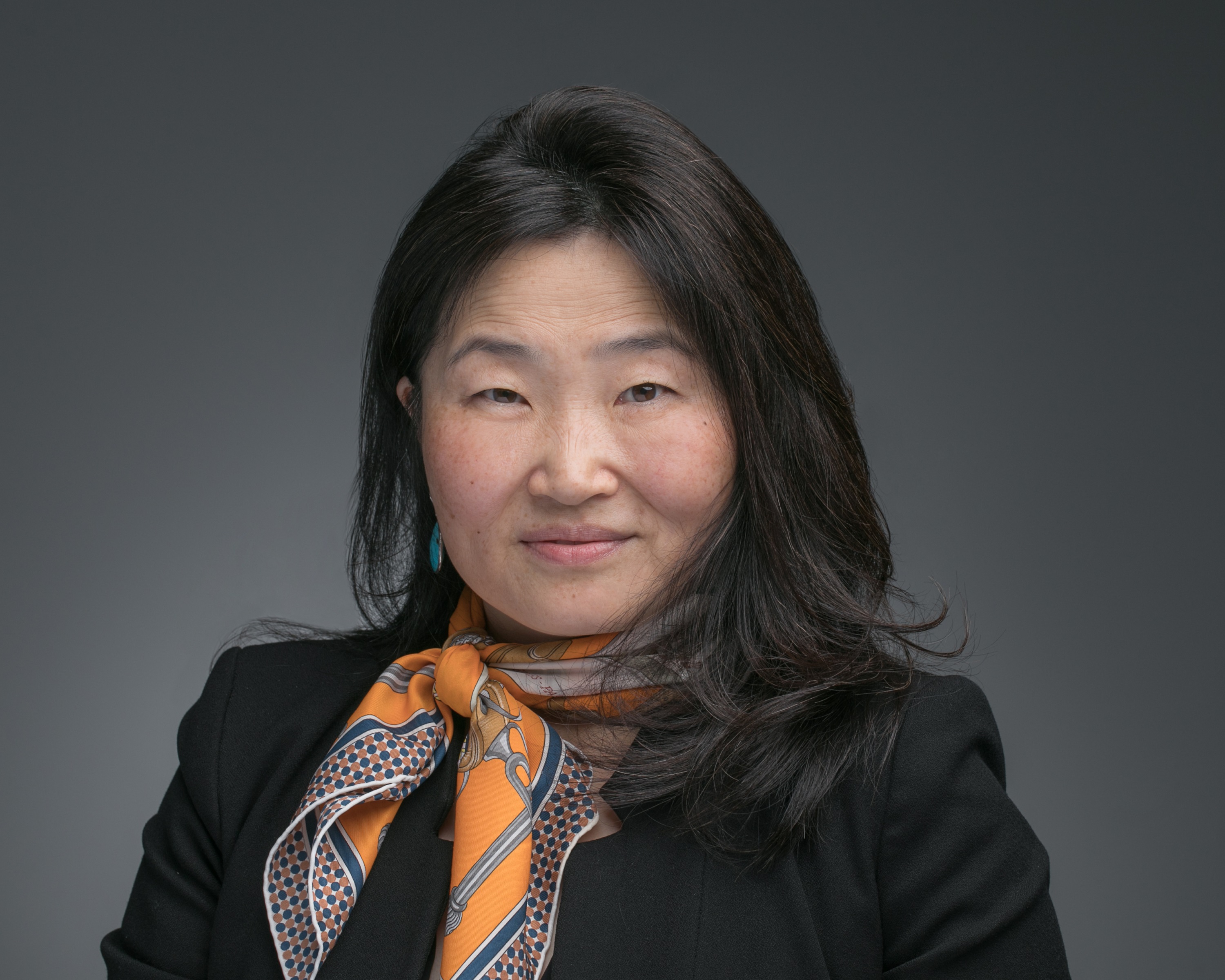
“Awareness is critical because head and neck cancers often affect essential functions that directly impact quality of life,” said Sara Pai, MD, PhD, otolaryngology and surgical oncology, Yale New Haven Health (YNHH), professor, Yale School of Medicine (YSM). “The good news is that many of these cancers are highly treatable when caught early.”
What are head and neck cancers?
Head and neck cancer is a broad term that includes cancers of the mouth, throat, voice box, nasal cavity, sinuses, salivary glands and neck. Some types can also develop because of viral infections, including human papillomavirus, often referred to as HPV.
“These cancers can interfere with speech, swallowing and breathing,” Dr. Pai explained. “That makes early detection especially important, not just for survival, but for maintaining daily function and overall well-being.”
Early warning signs to watch for
One challenge with head and neck cancers is that early symptoms can be subtle or easily mistaken for common conditions. Dr. Pai encourages people not to ignore symptoms that persist or worsen over time.
Common warning signs include:
- Difficulty breathing or swallowing
- Ongoing throat pain
- Voice changes or hoarseness
- Swelling or a lump in the neck
- Coughing up blood
- Unintended weight loss
Everyday habits that can lower your risk
Lifestyle choices play an important role in reducing the risk of head and neck cancers. According to Dr. Pai, some of the most impactful steps include quitting smoking or vaping, reducing marijuana use and following a healthy diet.
“Smoking and vaping are major risk factors,” she said. “Marijuana use also increases risk because it can suppress the immune system, which is our first line of defense against early cancer development.”
Eating a diet rich in fruits and vegetables is another protective step. Foods high in antioxidants may help support the body’s ability to repair cellular damage.
Who should be especially proactive?
While head and neck cancer can affect anyone, some people should be especially vigilant.
“Individuals who smoke tobacco or use marijuana are at higher risk,” Dr. Pai said. “People with these risk factors should pay close attention to symptoms and seek care early if something feels off.”
Age, certain medical histories and exposure to HPV can also increase risk, making awareness and prevention strategies especially important.
When and how to get evaluated
Because early detection can make a significant difference in outcomes, Dr. Pai recommends speaking with a health care provider if symptoms persist.
“Patients who are concerned should be evaluated by an ears, nose and throat (ENT) specialist,” she said. “ENT specialists can perform a comprehensive head and neck cancer examination to determine if further testing or treatment is needed.”
The role of HPV prevention
One of the most important messages Dr. Pai hopes communities hear during Head and Neck Cancer Awareness Month involves HPV.
“There is a growing subset of head and neck cancers caused by HPV infection,” she said. “The most important thing to know is that these cancers are preventable through readily available FDA-approved vaccines.”
The HPV vaccine is recommended for children and young adults and can significantly reduce the risk of developing HPV-related cancers later in life.
A simple message to remember
Head and neck cancer awareness starts with paying attention to your body, making healthy lifestyle choices, and seeking care early when something does not feel right.
“Early evaluation saves lives,” Dr. Pai said. “By recognizing symptoms, reducing risk factors, and taking advantage of preventive tools like vaccination, we can make a real difference.”
YNHH Resources
Dr. Pai and YNHH offer a Head and Neck High-Risk Oral Premalignant Clinic at Smilow Cancer Hospital Stamford where a specialized, multidisciplinary team cares for patients with precancerous conditions and those at high risk of developing head and neck cancer.
Patients with oral, laryngeal (throat), or pharyngeal (voice box tissue) precancerous lesions are evaluated, and a treatment plan is tailored to their individual needs. Patients with genetic, lifestyle or environmental risk factors predisposed to squamous cell carcinoma (SCC) undergo an evaluation as well.
For more information or concerns about symptoms, patients are encouraged to speak with their primary care provider or request a referral to a ear, nose, and throat specialist.