Published March 25, 2026

Chris Podkowiak, 64, of Farmington, was living a good life, playing his accordion, traveling with his wife, Anna, and watching his granddaughter grow up. Then, last year, just prior to Labor Day, he lost mobility in his left arm and hand.
“Suddenly I wasn’t able to do simple things like use silverware, button my shirts or close a car door,” he recalled. “At first, I gave myself a layperson’s diagnosis because I’d had carpel tunnel syndrome before. I assumed that maybe with exercise and physical therapy it might go away.”
Concerned friends and family, however, insisted Podkowiak go to an Emergency Department for evaluation. It was the right move because an MRI revealed something far worse than carpel tunnel syndrome.
Brain tumors can be noncancerous; they can sometimes grow slowly and cause the patient little harm. But Podkowiak had a glioblastoma, an aggressive and fast-growing type of brain tumor. The family quickly learned that survival rates for patients with glioblastomas are low, with a median survival of 12–14 months. Glioblastomas grow tentacle-like projections into brain tissue, making them hard to manage. Therefore, the best strategy is for maximal surgical removal, followed by radiation and chemotherapy.
Neurosurgeons at another health center tried to remove Podkowiak’s tumor but they only managed to take a biopsy because of the tumor’s complex location in the brain’s motor region. The family was left feeling anxiety and despair, unsure what to do next. Additionally, Chris could barely use his arm and hand, and he began noticing weakness in his leg.
But Podkowiak is still alive with returned strength and hoping to beat the odds thanks to his decision to seek a second opinion.
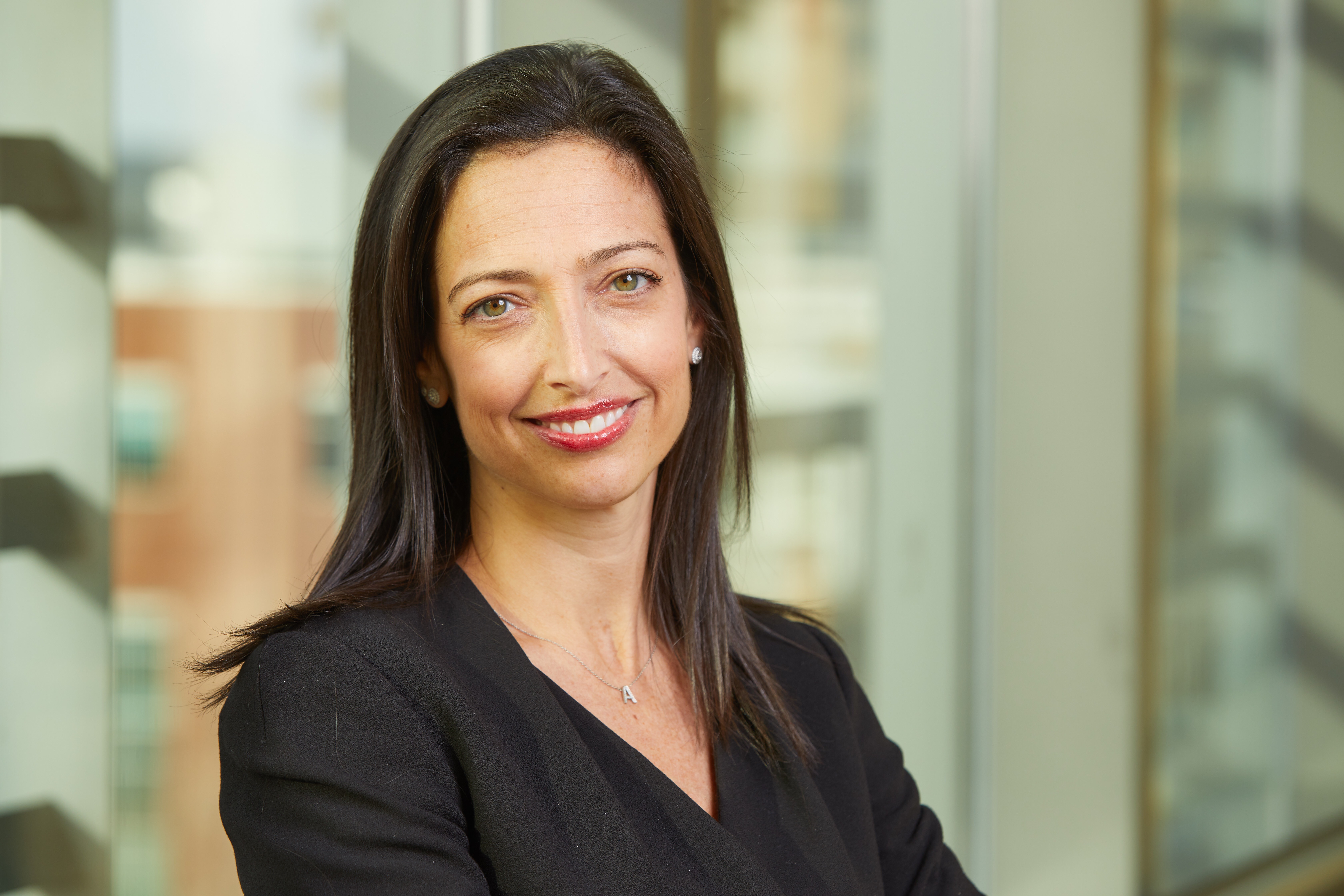
Jennifer Moliterno, MD, is chief of Neurosurgical Oncology for Yale New Haven Health and a professor at Yale School of Medicine. She specializes in complex brain surgeries and she performs more brain tumor operations than anyone in Connecticut. She happily agreed to meet with Podkowiak, assessing everything that had happened up to that point and outlining a new course of action.
“Chris’ tumor was in the motor area of the brain which controls the left hand and arm, which is why he couldn’t move it well,” Dr. Moliterno said. “Given the size of the tumor –about the size of an apricot – and his weakness and diagnosis, I felt the best course of action would be to remove as much of the tumor as safely as possible, and at Yale New Haven Health we have the ability to do that.”
Typically, when surgeons remove a cancerous tumor from anywhere in the body, the goal is to get all of it and leave what they call “clean margins.” This is particularly difficult with brain tumors because of the risk of impacting brain function.
“When we work in the brain, and in the eloquent parts of the brain – and by eloquent here, I mean the motor area – the margins get tighter, simply because we can’t get too far out because of the function of the brain,” Dr. Moliterno said. “Our goal is always to remove as much of the tumor as safely as possible while preserving neurological function. In Chris’ case, we were actually hoping to improve his neurological function.”
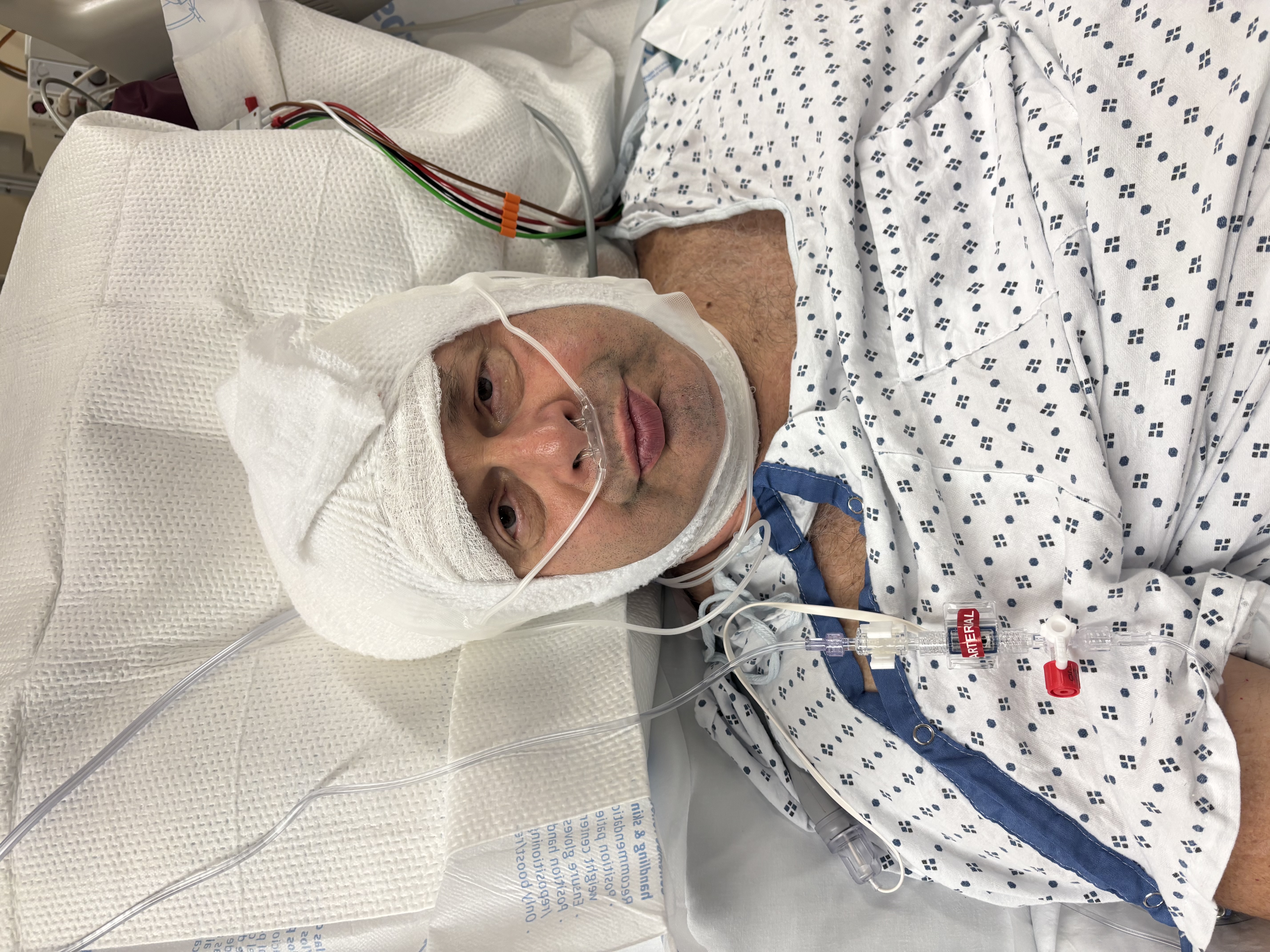
During this second surgery – with an operating room full of seasoned experts who routinely support Dr. Moliterno during all her complex cases – the tumor was successfully removed in its entirety. Even more, Chris’ motor function improved dramatically after the surgery.
“It’s a success story that I’m really proud of, and I’m so happy we were able to achieve that for Chris and his family,” Dr. Moliterno said. “He is now well positioned to fight this disease with everything he has – and everything we have.”
Of course, Podkowiak, his family and Dr. Moliterno all understand that the cancer could return. However, “This (successful operation) will give Chris the best step forward,” Dr. Moliterno said. “With these types of tumors, it’s not really a question if it will come back but when, so of course we have to be cautious. We have to continue to provide surveillance and we have to continue to treat, but I think that, working together, we’ve set Chris up for the greatest chance of success.”
With that said, Chris and his wife are doing their best to live their lives and stay strong together. “When Chris was first diagnosed, we were in shock,” Anna recalled. “Then the first surgery didn’t turn out like it was supposed to and we basically didn’t know what to do next. We listened to peoples’ suggestions, and Dr. Moliterno, she got Chris in quick. She knew it was needed ASAP, basically to save his life.”
Chris concurred: “When I met Dr. Moliterno what I liked was her decisiveness,” he said. “She took a look and she couldn’t understand why there was only a biopsy done. And she stated, ‘No, the tumor needs to go.’ Her decisiveness is what prompted me to say, ‘Go ahead, I’m in 100 percent.’ If I didn’t find Dr. Moliterno, I think I’d be in a much worse situation.”
Chris and Anna believe there’s a message in their story that should resonate with others: a second opinion can be vital when your health is on the line. “I think everyone deserves to have a second opinion and to feel 100 percent positive about your decision,” Anna said. “I tell people, ‘Don’t wait. Don’t hold anything back.’ We all owe it to ourselves. It’s life that we’re talking about.”
That second opinion turned into a second chance to live.
“Chris is doing wonderful,” Anna said. “His attitude and our whole family’s attitude, honestly, is marvelous. We keep pushing each other up. And our friends, we have incredible support, and that keeps us going.”
The future may still be prove challenging for Podkowiak, but, for now, his strength is better and the family is hopeful. And thankful.
“We thought Dr. Moliterno was going to get it done and there’s no other way around it, she did,” Anna said. “Dr. Moliterno removed everything, it was amazing. But it’s not a miracle; she’s just an incredible woman – very talented, knowledgeable and experienced. That’s what it was – her expertise, her knowledge, her education, her team – everything.”