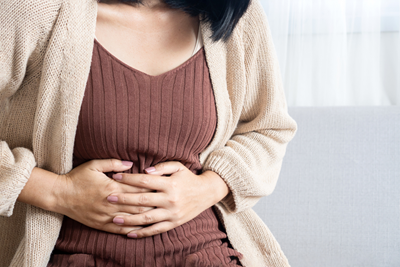
Diagnosis is determined based on a person’s symptoms and medical history and may include blood tests or a CT scan of the abdomen and pelvis.
Treatments depend on the severity of each case. For uncomplicated diverticulitis, the following approaches may be recommended:
- Antibiotics
- A liquid diet until your bowl heals
- Over-the-counter pain relievers
Severe cases of diverticulitis demand more aggressive treatments, including:
- Hospitalization
- Intravenous antibiotics
- Insertion of a tube to drain potential abscesses
- Surgery
In some instances, severe diverticulitis may require surgery. This is usually due to complications such as an abscess, bowel obstruction, fistula, or perforation. Depending on the amount of inflammation, patients may require a minimally invasive laparoscopic procedure or an open surgery involving a bowel resection with colostomy.
YNHHS has a team of enterostomal therapists dedicated to optimizing your care and recovery.
Early detection can go a long way toward avoiding the need for surgery, so promptly visit your doctor or go to an urgent care center if you exhibit any troubling symptoms. It’s especially important to seek urgent medical care if abdominal pain occurs alongside fever and diarrhea or constipation.



 Contact Us