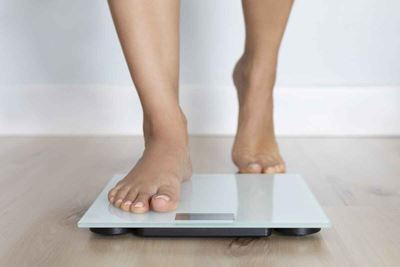
Regular physical activity is one of the best things people can do to improve their health. The Centers for Disease Control and Prevention (CDC), however, report 75 percent of U.S. adults fail to meet recommended activity levels. Jennifer Brackett, APRN, certified diabetes care and education specialist, Northeast Medical Group, explains why physical activity is important for maintaining a healthy lifestyle.
“We hear the phrase ‘sedentary lifestyle,’ but I’m not sure most people know what that means,” Brackett said. “A sedentary lifestyle applies to anyone who sits for more than eight hours a day. It can be easy, especially for people who work at a desk all day, to fall into this pattern. But it’s important we avoid this trap because not being active increases the likelihood of chronic illnesses like diabetes, hypertension and obesity and can make arthritis worse.”
Sitting from 9 to 5?
Fitness fads like standing desks and medicine ball chairs target office workers who sit behind a desk all day. These products offer slight improvement, but they are not substitutes for physical activity.
“Ultimately, it's about moving more during the day, so a standing desk is not the answer if you're not incorporating movement throughout the day in addition to dedicated exercise, she said. “Try to take a walk around the office or do some stretching in your workspace. Getting up every hour or two, especially if you’re sitting at a desk most of the day, is definitely going to help. Taking the long way from your car to your desk or taking the stairs are little ways to add activity throughout the day.”
Learn good habits early
Office workers aren’t the only ones facing a sedentary lifestyle. Teenagers and young adults often find themselves sitting for hours at school. Studies show a negative associated between digital screen time and physical activity. Children and adolescents who are physically active, however, see improved mental health and academic performance, according to the World Health Organization (WHO).
“We’re seeing more obesity and diabetes in young people which is, in part, due to sedentary lifestyles,” Brackett said. “Introducing them to an active lifestyle early helps them learn healthy behaviors that are easier to maintain over time.”
Additional health benefits
Swapping a sedentary lifestyle for a more active one can lead to additional health benefits such as better sleep. Daily exercise also can help reduce stress and can treat symptoms of depression and anxiety.
Get up and go
The WHO recommends 60 minutes of moderate physical activity a day for children and adolescents and 20-45 minutes for adults. Brackett said older adults, in particular, can benefit from weight-bearing exercise.
“We need weight-bearing exercise for our bones to maintain bone mass,” she said. “We also need to build strength to maintain our muscle mass. The best course for anyone regardless of age, but especially those who may be a little bit older, is to talk with your clinician about where you are with your lifestyle and how to start implementing these things into your daily routine.”