Published August 17, 2026
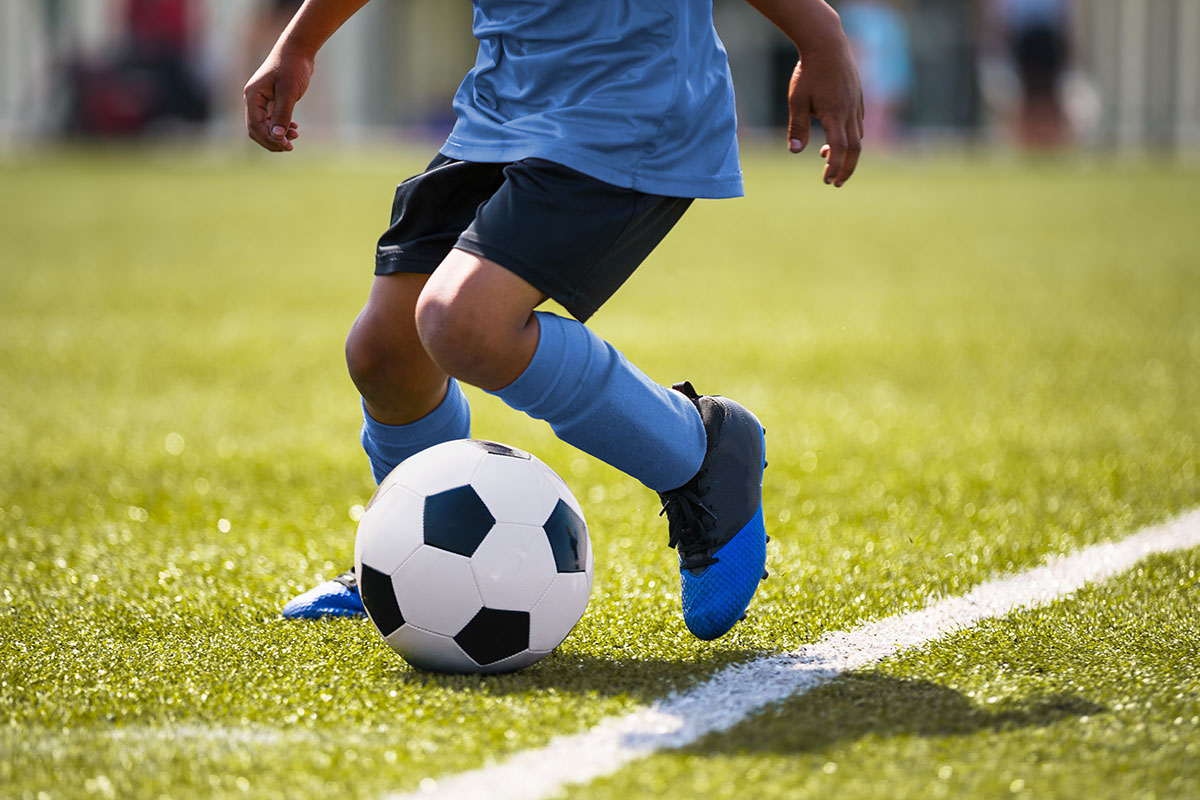
If you think overuse injuries like runner’s knee, tennis elbow and stress fractures are just a concern for high school and college athletes, think again. Young athletes can be at risk too, especially if they are playing the same sport year-round.
“Over specialization is a real problem,” said Corinna Franklin, MD, FAOA, orthopedic surgeon at Yale New Haven Children’s Hospital, and chief, pediatric Orthopedic Surgery at Yale School of Medicine. “It does contribute to injury. I think it also contributes to burnout. Kids are playing the same sport with increasing competitiveness season in, season out, and it can really take the fun out of it at an early age.”
Over training and repetitive motions can lead to overuse injuries in a variety of sports. For example, baseball and softball players may be at risk of shoulder injuries, while runners, gymnasts and cheerleaders may be prone to injuries in knees.
Pain and swelling are commonly the earliest symptoms. Warning signs can also show up as decreased performance, such as a loss of velocity in throwers.
It’s not just repetitive motions that put young athletes at risk of injury. Their age plays a role too.
“One thing we always say in pediatric orthopedics is that children are not just little adults,” said Dr. Franklin. “The way a 20-year-old athlete who has the full benefit of having gone through puberty and having all the hormones that help you build muscle, in addition to a more developed brain to help with balance and stress tolerance, those older athletes can train harder than children can. We shouldn’t be training 10-year-olds the way we train a 20-year-old.”
Over time, this can contribute to serious injuries including damage to the bone.
The number one treatment for overuse injuries is rest. Dr. Franklin says surgery for injuries like stress fractures in young kids is rare, but they do happen. Therefore, it’s important to address warning signs early.
Kids need days and weeks off from training and time spent playing other sports. Swimming is a great off-season activity as it engages different parts of the body and doesn’t put stress on joints.
Strength training is also important, especially for athletes who put a lot of demand on their knees. The core and hips need to be strong to properly support the body during play.
Dr. Franklin said one element that is often overlooked is the importance of adequate nutrition. All kids, but especially young athletes, need to get enough calories and hydration. Runners need plenty of carbs and calcium and vitamin D help support healthy bones.
“Adolescence and early adulthood are really when you achieve your peak bone mass. If you're under fueling while exercising intensely during those years, you may not build up adequate bone to prevent you from osteoporosis in the future, which can have really devastating consequences,” said Dr. Franklin. “In addition to all the myriad health consequences that under fueling can have for your heart, for your brain. So, I think that improper nutrition can be very risky for young athletes.”
Another misconception is that to be an elite athlete, kids should focus on their chosen sport early and often.
“Most of our highly skilled athletes were multi-sport athletes for a long time. The idea that if you, for example, want to play soccer in college, you must play four seasons of soccer every year starting when you're 7, is totally incorrect. It’s not good for the body or the mind of the athlete,” said Dr. Franklin.
Instead, families should remember the importance of kids enjoying sports. For example, that means watching out for coaches who push young kids past their limit. Athletes need the gear they need to succeed, such as supportive sports bras for girls. And all kids should be taking plenty of breaks, to hydrate and rest their body and minds.
Make an appointment using our online scheduler.