Published April 01, 2026

Effectively treating pain may take more than one approach. For some patients, the power of cold therapy can offer relief for months.
Cryoablation is a minimally invasive procedure that uses extremely cold temperatures to ablate targeted tissue. The procedure interrupts pain carrying signals from the nerves while leaving surrounding tissue intact.
“It can be used to treat a lot of different pain, but usually it has to have a focal target,” said Yale New Haven Hospital anesthesiologist Robert Chow, MD, MBA, assistant professor of Anesthesiology at Yale School of Medicine.
That may include pain related to:
During the procedure, a local anesthetic is applied, and CT, MRI or ultrasound imaging allows experts to see the intended target. Once the location is identified, the cryoablation is activated, freezing and then damaging the cells that cause pain.
Dr. Chow explains that cryoablation involves less procedural pain and minimal damage to surrounding tissue, while still providing a relatively long benefit. Complication rates are low and the results can last between three and 12 months.
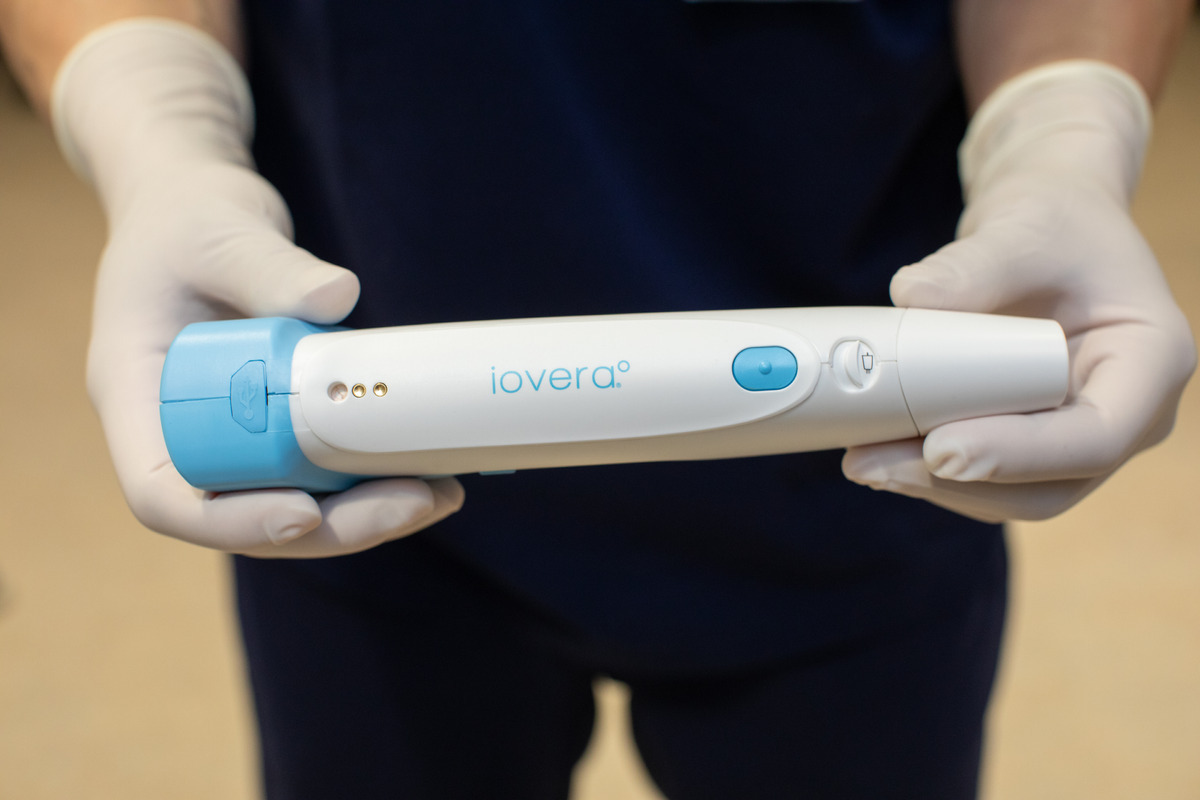
“If you have episodic pain, we can reduce the duration and the frequency of the episodes. If it’s constant pain, we can reduce the peak level of pain,” said Dr. Chow. “Because it damages the nerve tissue but leaves the infrastructure in place while preserving adjacent structures, people can have lasting benefit.”
This can be especially helpful for patients undergoing other treatments, who need additional measures for pain management. For example, someone who requires knee replacement surgery may benefit greatly from cryoablation before their procedure. The results can aid in their recovery, result in a faster discharge time and decreased use of opioids.
For those dealing with chronic pain, cryoablation should be seen as “another tool in the toolbox,” used alongside other treatments such as medication, physical therapy and even mental health services.
“Patients are sometimes seeking a magic bullet, that there is just one single intervention,” said Dr. Chow. “But we really should be working towards other approaches that reflect our evolving understanding of chronic pain as a complex condition that requires a broad, yet individualized treatment plan.”
What works for one person may not work for another.
“Just because your imaging or studies look normal, doesn’t mean you have no pain source. There’s a lot of little nuances that need to be teased out,” he said.
Cryoablation is currently offered at Yale New Haven Hospital. Eligible patients need a referral.