Published May 08, 2026

Kent Winchell is left handed, and for decades that’s the way he always held the brushes he used to create award-winning oil paintings of landscapes and village scenes around his hometown of Old Lyme.
But when Winchell had a debilitating stroke about two years ago, the struggle was all the more difficult because the damage to his brain incapacitated his left side, including his hand.
The stroke (the second of his life, and he’s now 80) came while he was sitting in his living room chatting with his brother; suddenly he couldn’t move his left arm off the arm rest; he couldn’t speak. Winchell’s wife, Kathy, called 911, and they remain forever grateful for the responding EMTs and the life-saving stroke care at Yale New Haven Hospital, which gave Kent a chance at regaining function.
It has been slow going, but regaining function is exactly what Winchell has been doing.
Kent and Kathy find joy each day in the small victories that come their way. They both talk about the day Kent first used his left hand to pick up his coffee mug, and his successes brushing his teeth, washing his hair and making the bed.
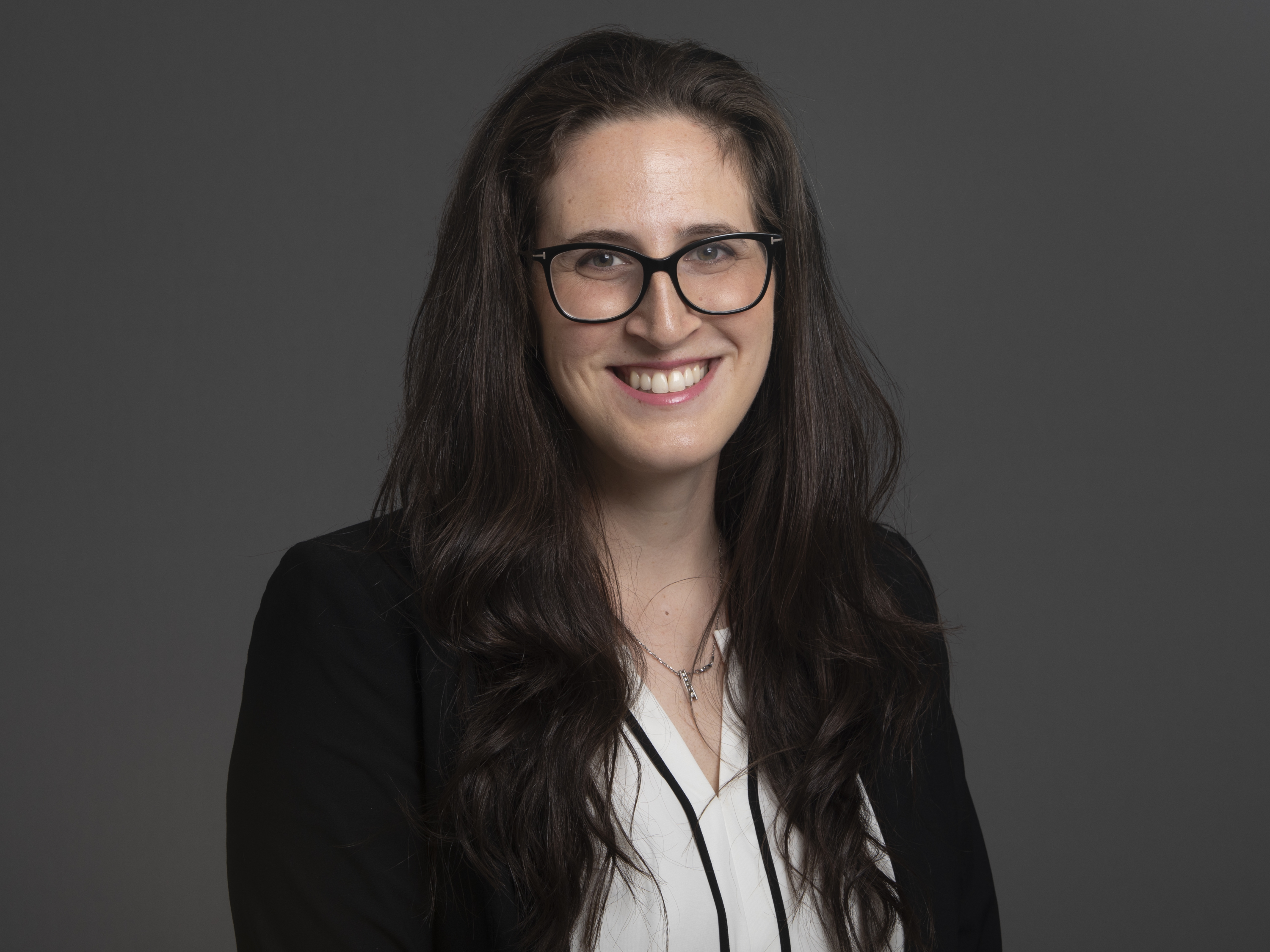
Winchell’s doctor, Rachel Forman, MD, a neurologist with Yale New Haven Health, specializes in treating stroke and its consequences. She is also an assistant professor of Neurology at Yale School of Medicine where she is involved with a number of research projects relating to stroke.
Dr. Forman identified Winchell as an ideal candidate for an innovative FDA-approved device that aids in stroke rehabilitation. It combines traditional physical and/or occupational therapy with a technological twist – an implantable device that helps stimulate a key nerve used in many motor functions. Stimulating the vagus nerve can help patients strengthen neural pathways and regain function more effectively than therapy alone.
Dr. Forman noted that it is common for stroke survivors to struggle with the use of their hands and arms for many months after a stroke, and Winchell was no exception. “We thought Kent was an ideal candidate for the nerve stimulation device because recovering from a stroke is not simply about muscle weakness. We’re trying to strengthen his brain’s ability to send signals to the weakened limb, and nerve stimulation can help with this.”
Kent is the first Yale New Haven Health patient to use the Vivistim implantable device. Following a short outpatient procedure, the device sits under Kent’s skin on his chest, similar to a pacemaker. A thin wire extends from the device and connects under the skin to the vagus nerve, which is one of the longest and most important nerves in the body. When activated, the device sends a gentle electrical pulse to the nerve and, as Kent has experienced, it aides in his ability to move his left hand and leg. Kent is expected to use the device during therapy, but he can also turn it on if he thinks it will help him accomplish a task.
Nerve stimulation is not new, Dr. Forman noted. For more than 25 years, doctors have safely used vagus nerve stimulation, or VNS, to treat conditions like epilepsy. Today that same technique is helping survivors of stroke.
The brain has a remarkable ability to rewire itself after injury, Dr. Forman said. Pairing mild vagus nerve stimulation with active physical or occupational exercises engages the brain networks involved in relearning movement, she said. By reinforcing existing neural pathways and encouraging new ones to form during therapy, the approach aims to significantly improve motor recovery.
Winchell said his progress with the nerve stimulation device has been steady rather than immediate. Six months earlier, he was barely able to move, but since starting the therapy three to four months ago, he can look back and realize that he’s made progress. He and Kathy expect to continue to see improvement as more time goes by.
“We really feel lucky that we’ve had Yale New Haven Health and Dr. Forman on our team, because it’s really made a difference,” Kathy said.
Perhaps one of the best things is yet to come, as Kent said recently that he is almost ready to go back into his studio and dust of his paint brushes. “I’ll start with my right hand and then try with my left. Is it going to be good or bad? I don’t know. But we’ll see.”
As Kathy put it, the fact that Kent is at least ready to give painting another try is a breakthrough of its own. “We’ve been through so much, but we’re still finding joy in life,” she said. “I can’t wait to see what Kent will paint for us next.”